How to Maintain Your Deck Year-Round: Expert Maintenance Guide
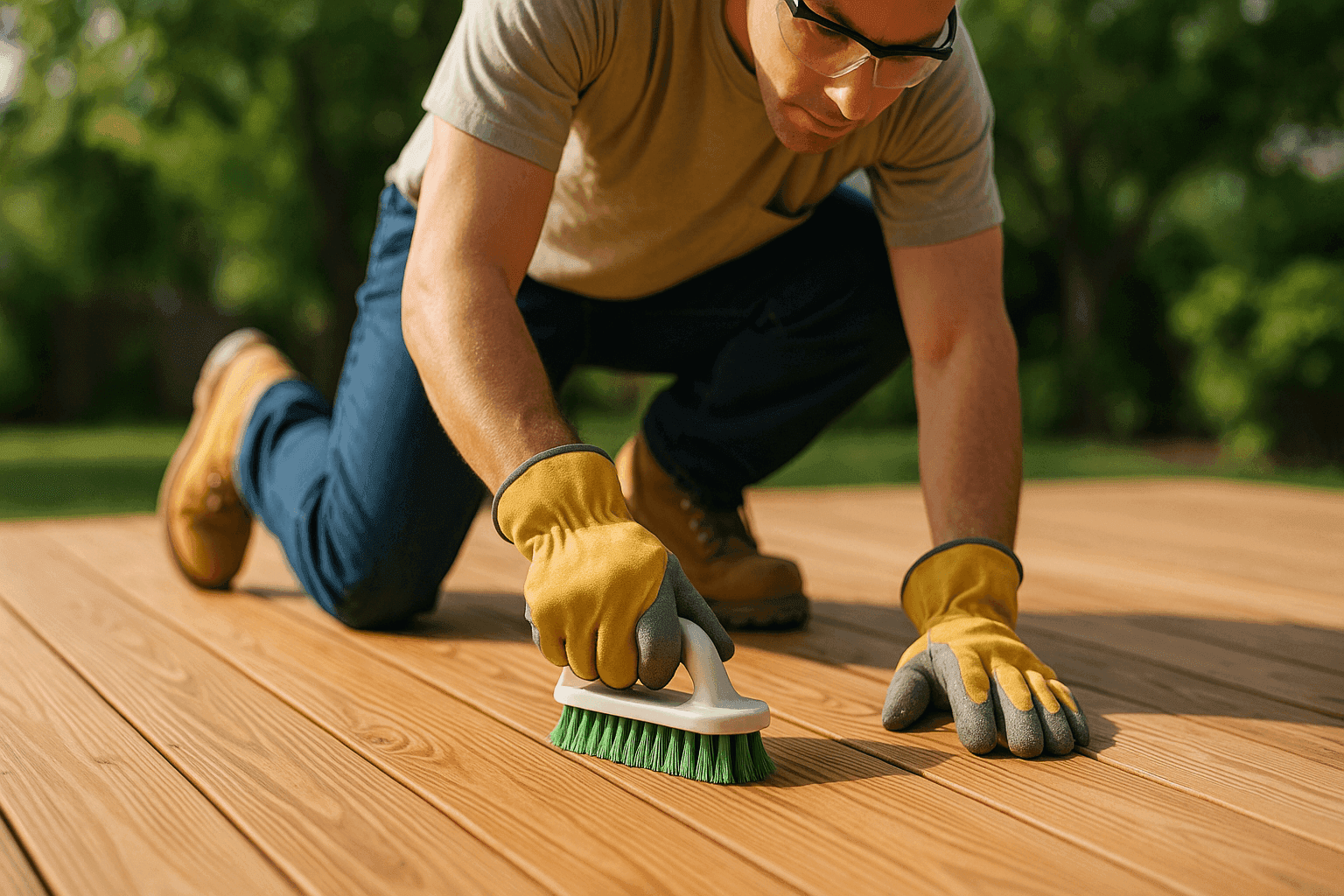
Keeping your deck in top shape is like tending a garden—it needs care every season. Whether you use your deck for family barbecues, quiet mornings, or as a showcase for your business, its safety and beauty depend on regular attention.
At Colibri Decks, we know that proper maintenance isn't just about keeping up appearances. It's about protecting your investment, preventing costly structural issues, and ensuring everyone who walks on your deck stays safe. Let’s walk through the seasons together, so your decking always stands strong.
Why Year-Round Deck Maintenance Matters
A deck faces sun, rain, snow, and foot traffic. Like a ship braving rough seas, neglect can lead to hidden rot, loose boards, or safety hazards. Small problems can balloon into expensive repairs—or worse, sudden accidents.
Routine, seasonal care helps you spot issues early. It also extends the life of your decking materials. The result? Less stress and more time enjoying your space.
Quick Safety Checklist 🛠️
Before you grab the hose or a broom, run through this:
- Clear the area: Remove planters, furniture, and grills.
- Check for hazards: Look for loose nails, splinters, or wobbly railings.
- Wear sturdy shoes and gloves: Protect your hands and feet from debris.
- Have proper cleaning supplies: Choose eco-friendly cleaners approved by the U.S. Environmental Protection Agency (EPA).
- Test for slippery spots: Wet wood can be dangerous—caution is key.
- Know your limits: If you see cracked supports or suspect structural damage, don’t proceed alone.
Spring Cleaning: Start Fresh
Spring is when your deck wakes up. After a long winter, debris and moisture can hide trouble beneath the surface.
Key Spring Tasks
- Sweep thoroughly: Remove leaves, twigs, and dirt that trap moisture.
- Wash gently: Use a garden hose and soft brush. Avoid harsh power washing, which can gouge wood or composite.
- Inspect for mold and mildew: Look for black or green patches, especially in shaded spots.
- Look for popped nails or screws: Tighten or replace as needed.
- Check for wood rot: Press on areas that stay damp; soft or spongy wood may need attention.
- Clear gaps between deck boards: Use a putty knife to prevent water pooling.
Tip: Choose biodegradable cleaners to protect your landscaping and local waterways (EPA recommendations).
Summer Care: Protect and Enjoy
Summer means more time outside, but also more sun and wear. Like sunscreen for your skin, your deck needs protection, too.
Summer Maintenance Steps
- Inspect after heavy use: Parties and gatherings can loosen fasteners or scuff surfaces.
- Spot-clean stains: Food, grease, or spills attract dirt and can stain permanently if ignored.
- Check for insect activity: Carpenter ants or termites love moist wood. Look for sawdust trails or small holes.
- Reseal or re-stain if needed: Follow manufacturer guidelines or ANSI/APSP/ICC-5 2011 standards for wood products.
- Trim nearby plants: Keep bushes and trees from rubbing or dropping debris onto the deck.
Pro tip: Early morning or late evening is best for cleaning and sealing in summer heat.
Autumn Prep: Get Ready for Weather
Fall is the time to prepare for rain, wind, and dropping temperatures. Think of it as tucking your deck in for a long nap.
Autumn Checklist
- Sweep and deep clean: Remove leaves before they turn to mulch and stain.
- Inspect flashing and drainage: Make sure water flows away from your foundation and deck supports.
- Check railings and steps: Tighten anything loose before icy weather hits.
- Apply water-repellent sealant: This adds a protective “raincoat” before the wet season.
- Store or cover furniture: Prevent rust stains and wear from heavy weather.
Did you know? The North American Deck and Railing Association (NADRA) recommends annual inspections every fall.
Winter Protection: Defend Against Cold
Winter is the toughest test for decking. Freezing, thawing, and snow can sneak water into tiny cracks.
Winterizing Tips
- Clear snow promptly: Use a plastic shovel—metal can scratch or gouge.
- Don’t use salt or harsh chemicals: These can damage wood and corrode metal fasteners.
- Inspect for ice dams: Make sure melting snow runs off, not under, your deck.
- Check supports after storms: Heavy loads can stress beams and joists.
- Limit heavy storage: Don’t overload with firewood or planters during winter.
Reminder: Local building codes (like the International Residential Code, IRC) set standards for deck load and safety—important for both residential and commercial spaces.
DIY or Call a Pro? 🤔
Some tasks are weekend-friendly. Others demand a trained eye.
DIY is Usually Enough For:
- Sweeping and basic washing
- Tightening loose screws or nails
- Spot cleaning stains
- Minor sealing or staining (if you follow product instructions)
Call Colibri Decks for:
- Signs of wood rot or insect damage
- Structural movement or sagging
- Wobbly stairs or railings
- Deep cracks, splits, or loose ledger boards
- Recurring mold or mildew
- Annual in-depth inspection (especially for commercial properties)
A good rule: If you wouldn’t feel safe standing beneath your deck, don’t risk tackling repairs alone.
What Pros Do On Arrival
When you bring in Colibri Decks, we don’t just look at the surface. Our process includes:
- Full walk-through: Checking every board, fastener, support, and railing
- Moisture tests: Using industry-approved tools to check for hidden soft spots
- Inspection of flashing, ledger boards, and attachment points (per IRC guidelines)
- Evaluation of stairs, handrails, and guardrails for code compliance
- Recommendations for repair, replacement, or preventative treatments
We’re here to spot problems before they get expensive or dangerous.
Prevention & Maintenance: The Key to Longevity 💡
Think of maintenance as an insurance policy for your decking. Small, regular steps save big headaches later.
Routine Tips:
- Clean and inspect every 3–4 months, not just once a year
- Use mats under grills or planters to prevent stains
- Reseal wood decks every 2–3 years (or as recommended)
- Schedule annual professional inspections for peace of mind
The U.S. Consumer Product Safety Commission (CPSC) reports that most deck failures are preventable with regular care.
Costs & Time Factors
Deck maintenance isn’t one-size-fits-all. The time and cost depend on:
- Deck size and material (wood, composite, PVC, etc.)
- Age and previous maintenance history
- Weather and local conditions
Time ranges:
- DIY cleaning and inspection: 2–4 hours for an average deck
- Professional inspection: Usually under 2 hours
- Repairs: Minor fixes can take a day; major repairs or re-sealing may require several days, depending on weather
Cost ranges:
- Cleaning supplies: Low, if you already have basics
- Repairs and sealing: Varies by materials and extent of damage
- Professional services: Worth it for peace of mind and long-term savings
Remember, investing in regular care costs far less than rebuilding after neglect.
When It’s an Emergency
Some warning signs mean you should take action right away:
- Visible sagging or movement when walking on the deck
- Severe wood rot, especially near supports or stairs
- Broken or missing railings
- Large cracks or holes
- Recent severe storms with visible structural impact
If you spot any of these, stop using the deck immediately and contact a professional for an urgent inspection.
FAQ: Common Deck Maintenance Questions
How often should I reseal my deck?
Most wood decks need resealing every 2–3 years. High-traffic or weather-exposed decks may need it annually.
Can I use bleach to clean my deck?
It’s best to avoid bleach, which can harm plants and break down wood fibers. Use an eco-friendly deck cleaner instead.
What’s the best way to prevent mold?
Keep your deck clean, remove leaves and debris quickly, and ensure good airflow around the structure.
How do I know if my deck is safe?
Schedule a professional inspection annually, especially if your deck is over 10 years old or sees heavy use.
Local and Seasonal Considerations 🌦️
Decks in rainy, humid, or coastal climates face extra moisture and salt exposure. Drier regions battle sun and extreme temperatures that dry out wood. Urban decks may collect more grime and pollution.
No matter where you live, adapt your maintenance schedule to the local weather. After heavy storms, floods, or extreme heat waves, always do a quick check for new issues.
Year-round deck maintenance is part routine, part safeguard, and all about safety. Homeowners and property managers alike can make their decks last longer and look better with a little attention each season. When in doubt, or if you spot trouble, don’t wait.
Call Colibri Decks now — or reach us anytime at 844-491-8465 .