Top Signs Your Deck Needs Repair: When to Call a Pro
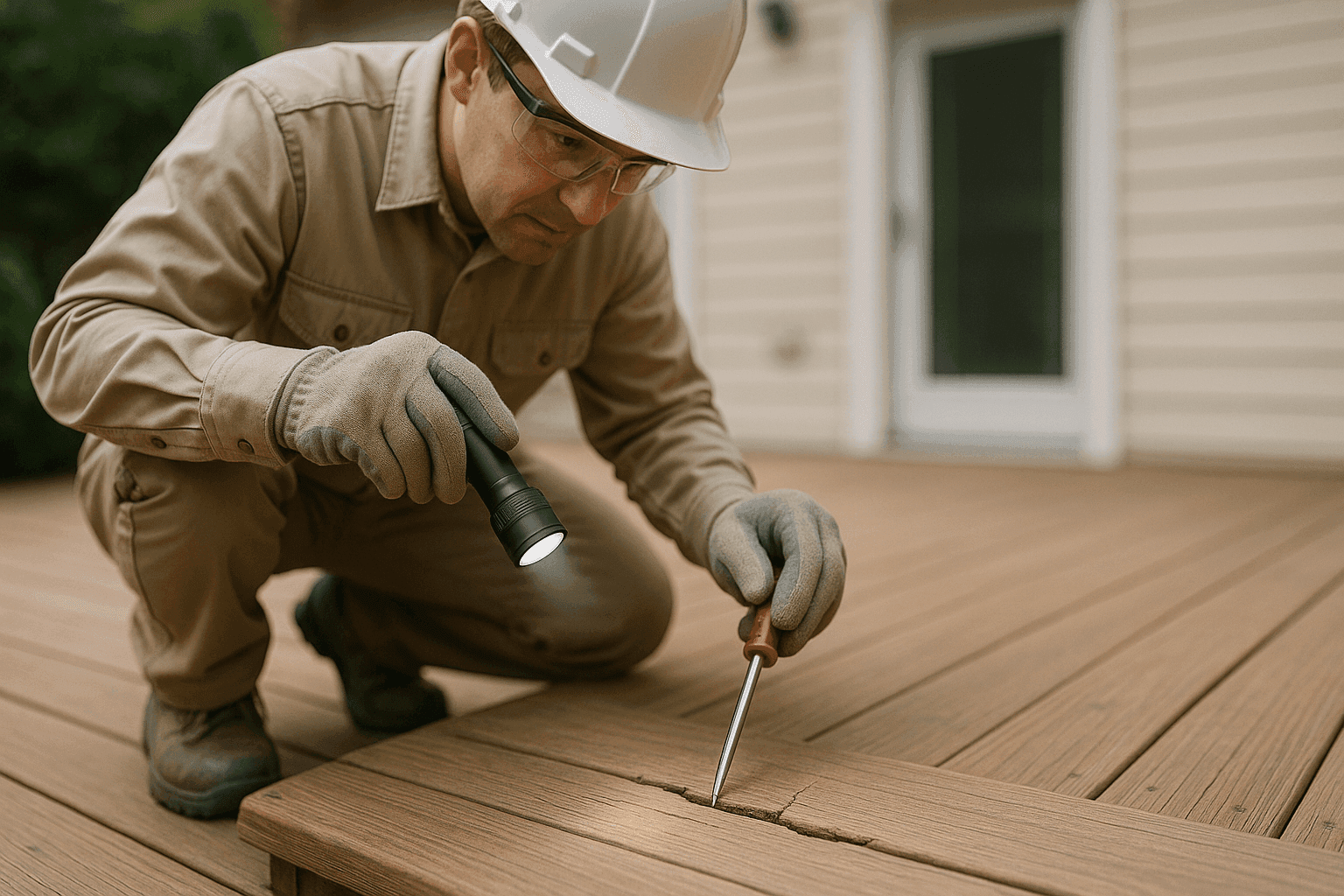
Is your deck still standing strong, or is it quietly crying out for help? It’s easy to ignore the little changes—a creak here, a faded board there—until one day a simple step feels like walking on thin ice.
At Colibri Decks, we’ve seen it all: from hairline cracks that spiral into disaster, to railings that give way at the worst possible moment. Whether you’re a homeowner enjoying summer barbecues or a business counting on safe outdoor spaces, knowing when to act is everything.
The Hidden & Obvious Signs: Is Your Deck at Risk?
Decks age just like cars or roofs. Time, weather, and use wear them down. Some problems jump out—like splintered wood or wobbly rails. Others hide beneath the surface. Here’s how to spot both:
- Rotting Wood: Soft, spongy spots are red flags. Poke gently with a screwdriver. If it sinks in, that’s rot.
- Loose or Warped Boards: Boards that bounce or feel springy mean trouble below. Warping can trip guests or trap water.
- Unstable Railings: If your rail shakes or moves, it’s not just a nuisance—it’s a safety risk.
- Corroded or Missing Hardware: Rusted nails and screws weaken the whole structure. Missing fasteners? That’s like missing rungs on a ladder.
- Sagging or Tilting: Decks should sit level. If yours sags, the supports may be failing.
Hidden dangers often start small. Moisture seeps into unseen spaces. Insects hollow out wood from the inside. What looks like a minor blemish could be the tip of the iceberg.
Quick Safety Checklist: Inspect Your Deck Like a Pro 🕵️
Not sure where to start? Here’s a simple routine to check your decking safely:
- Walk the Perimeter: Look for obvious gaps, cracks, or sloping.
- Test the Railings: Push and pull to check for movement.
- Check the Steps: Press down on each step; they shouldn’t flex.
- Look Underneath: Use a flashlight to spot rot or rust on beams and posts.
- Check for Nails/Screws: Protruding or missing hardware needs attention.
- Inspect for Mold/Mildew: Green or black stains signal moisture problems.
- Scan for Pests: Sawdust piles or holes can mean termites or carpenter ants.
Do this every spring and fall. If you see multiple red flags, it’s time to dig deeper.
DIY vs. Call a Pro: Know Your Limits
Some fixes are like patching a bike tire—quick, simple, and safe to tackle with basic skills. Others are more like engine repairs: one slip, and the whole system fails.
When You Can DIY
- Tightening loose screws or bolts.
- Replacing a single cracked board.
- Cleaning off mildew or dirt.
When to Call a Pro
- Structural issues: sagging, shifting, or loose supports.
- Widespread rot or insect damage.
- Wobbly or broken railings.
- Significant hardware corrosion.
- Unexplained movement or loud creaks.
Remember, a deck is more than surface boards. The real strength is hidden in the frame and footings—places the average homeowner can’t always see or safely fix.
What Pros Do On Arrival: The Colibri Decks Approach
When Colibri Decks arrives, we don’t just glance at the obvious. Our approach is thorough, following industry standards from resources like the North American Deck and Railing Association (NADRA) and the International Residential Code (IRC).
Here’s what a professional inspection includes:
- Visual & Physical Assessment: We check every board, railing, post, and stair.
- Moisture Testing: Hidden rot and water damage aren’t always visible.
- Hardware Review: All fasteners, connectors, and flashing are checked for rust or damage.
- Foundation & Support Check: We inspect posts, beams, and joists for shifting or settling.
- Code Compliance: We verify your deck meets current safety codes.
Sometimes, what seems like a cosmetic issue is actually structural—like a cracked board hiding a rotten joist below.
Prevention & Maintenance: Keep Problems Away
Think of deck maintenance like brushing your teeth. Skip it, and small issues turn into big repairs.
- Sweep and Clean Regularly: Remove leaves and debris that trap moisture.
- Seal and Stain: Protect wood from UV rays and water every 2–3 years.
- Check Drainage: Ensure water flows away from your deck, not under it.
- Trim Nearby Plants: Overgrown shrubs or vines hold moisture against wood.
- Schedule Annual Inspections: Even if you don’t see problems, a yearly check by Colibri Decks can catch what you might miss.
Regular TLC extends your deck’s life and keeps it safe for everyone.
Costs & Time Factors: What to Expect
Deck repairs range from a quick fix to a major overhaul. Think of it like going to the doctor—you won’t know the full story until someone takes a look.
- Minor Repairs: Replacing a board or tightening hardware can take less than an hour.
- Moderate Repairs: Fixing railings or patching small areas of rot might take a day.
- Major Repairs: Structural fixes or large areas of rot can take several days and may require permits.
Costs vary based on material, extent of damage, and accessibility. Remember, delaying repairs often means higher costs down the road.
When It’s an Emergency 🚨
Some signs mean you shouldn’t wait another day:
- Sudden Sagging: If your deck tilts or dips overnight, get off and call for help.
- Railings Give Way: If a railing fails under pressure, keep everyone off the deck until repairs are made.
- Visible Gaps at Attachments: If your deck is pulling away from the house, this could lead to collapse.
- Widespread Rot: Soft, crumbling wood in many areas means the whole structure could be compromised.
In these cases, safety comes first. Block off the area and contact a professional immediately.
FAQ: Deck Repair & Safety
How often should I have my deck inspected?
At least once a year. Heavy use or harsh winters? Consider two inspections.
Can all damage be repaired, or is replacement needed?
Small issues can often be fixed. Extensive rot, insect damage, or aging frames may require partial or full replacement.
Is it safe to use my deck if only one board is damaged?
Sometimes, but hidden issues can spread. It’s best to check the area thoroughly or call for an inspection.
What codes or guidelines should decks follow?
Decks should meet the International Residential Code (IRC) and local building codes. A professional can ensure compliance.
Local & Seasonal Considerations
Decking faces unique challenges based on climate and environment.
- Heavy Rain/Snow: Moisture accelerates rot and rust.
- Hot, Dry Climates: UV rays can dry and split boards.
- Coastal Areas: Salt air corrodes hardware faster.
- Urban Settings: Pollution and debris build-up are common.
Scheduling maintenance near you at the start and end of each season helps your deck stand up to local challenges—rain, shine, or snow.
Don’t let small problems grow into big headaches. Your deck should be a safe, welcoming space—year-round. If you see any warning signs, trust your instincts and act early.
Call Colibri Decks now — or reach us anytime at 844-491-8465 .