How to Choose the Right Decking Contractor: Questions to Ask
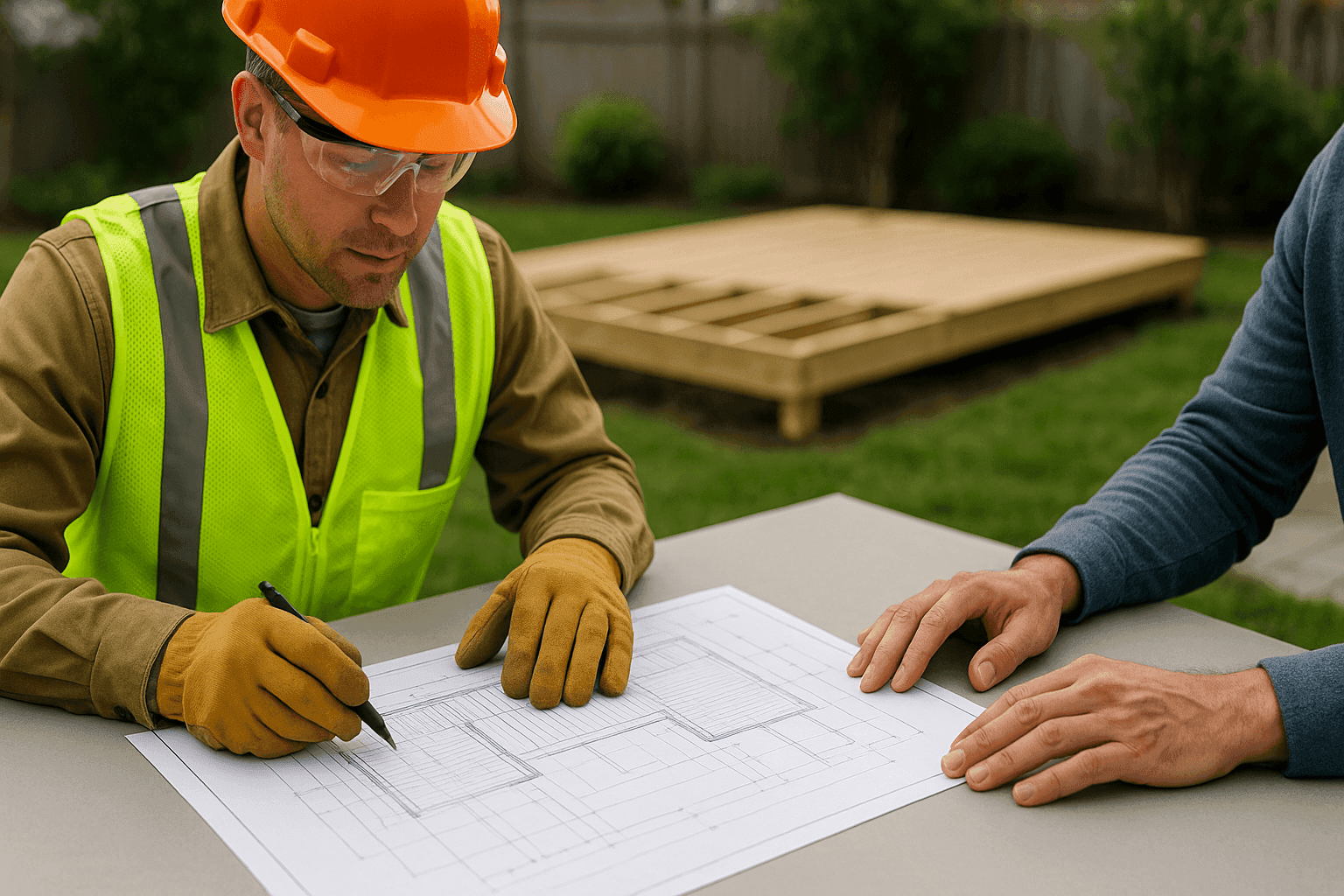
Choosing the right decking contractor isn’t just about finding someone with a toolbox and a truck. It’s about trust, safety, and the foundation of your outdoor living space. Whether you’re dreaming of summer barbecues or need repairs after a storm, the person you hire matters.
A deck is more than wood and fasteners. It’s an investment. The right professional can turn plans into a backyard haven—and help keep your family or customers safe for years to come. Here’s how to ask the right questions and avoid the headaches that come from cutting corners.
The Stakes: Why Choosing Right Matters
Imagine inviting friends over, only to watch your deck creak and wobble. Or worse—finding out after the fact that shortcuts put your property at risk. When you’re looking for maintenance near you, installation, or repair, the contractor’s experience is your safety net.
Residential or commercial, the process is the same. Poor workmanship can cost more down the road. Hidden rot, unsafe railings, or deck boards that split beneath your feet—these are the nightmares good contractors prevent.
Credentials: What Should You Check? 📑
Before you let anyone swing a hammer, check their credentials. Credentials are like a chef’s apron: they tell you who’s serious about their craft.
- Licensing: Ask for a valid contractor’s license. Requirements differ by state and municipality, so check your local building department.
- Certifications: Look for certifications from industry organizations, such as the North American Deck and Railing Association (NADRA). These show commitment to best practices and safety standards.
- Permits: A reputable contractor knows which permits are needed and pulls them for you. Never skip this step.
- Training: Are they up to date on new materials and installation methods? Training certificates are a plus.
If a contractor hesitates when you ask for these, consider it a red flag.
Insurance: Are You Protected?
Think of insurance like a life jacket. You hope you never need it, but when you do, it’s essential.
- General Liability Insurance: This covers accidental damage to your property.
- Workers’ Compensation: If someone gets hurt on your site, you don’t want to be held responsible.
- Bonded: Being bonded means the contractor can cover costs if the job isn’t done as agreed.
Ask for proof. A reputable contractor will provide certificates without fuss.
Past Work: What Can You See?
Would you buy a car without seeing it? The same goes for decks. Quality shows in the details.
- Portfolio: Request photos of recent projects. Look for variety—different styles, shapes, and materials.
- On-Site Visits: If possible, ask if you can see a finished deck in person. It’s the best way to check craftsmanship.
- Before-and-After: These images reveal the contractor’s ability to solve problems and deliver results.
Pay attention to trim work, railings, and stairs. Flaws in these areas can lead to safety issues later.
References: Who Can You Call? 📞
A good contractor has happy customers. Don’t just take their word for it—speak to people who’ve worked with them.
- Ask for 2–3 Recent Clients: Not just from years ago. You want current feedback.
- Questions to Ask References:
- Was the project finished on time?
- Did the contractor stick to the estimate?
- How was communication throughout the process?
- Would you hire them again?
Listen for hesitation. If references are glowing and specific, that’s a good sign.
Contract Essentials: What Needs to Be in Writing?
A handshake isn’t enough. Words fade, but a contract anchors expectations.
- Written Estimate: Get everything in writing—labor, materials, cleanup, and payment schedule.
- Clear Scope: The contract should list exactly what’s included. Vague wording leads to misunderstandings.
- Timeline: When will the work start? When will it finish? Delays happen, but you need a clear plan.
- Change Orders: If you want to add features or change materials, understand how it affects the cost and timeline.
Read every line before you sign. If anything’s unclear, ask questions until you’re comfortable.
Safety First: Recognizing Industry Standards 🚧
Safety isn’t optional. It’s the backbone of every successful decking project.
- Building Codes: Contractors should know and follow the International Residential Code (IRC) or International Building Code (IBC), depending on your property type.
- Material Specs: Pressure-treated lumber, composite decking, and fasteners all have standards. Make sure your contractor’s choices meet or exceed them.
- Jobsite Practices: Clean sites, proper tool use, and protective gear show professionalism.
Ask how they ensure safety. If their answer is vague, keep looking.
Communication: Staying in the Loop
Communication is the glue that holds a project together. Without it, even the best plans fall apart.
- Single Point of Contact: Who will answer your questions—an office manager, the owner, or the crew leader?
- Updates: How often will you get progress reports? Weekly? Daily?
- Problem Solving: If something goes wrong, how will they keep you informed?
A contractor who communicates well is like a compass—guiding you through the unknown to your finished deck.
Written Estimates: The Devil’s in the Details
A written estimate is more than a number on a napkin. It’s your roadmap.
- Breakdown of Costs: Labor, materials, permits, and waste disposal should all be listed.
- Contingencies: Good contractors factor in possibilities like hidden rot or unexpected delays.
- Expiration: Estimates shouldn’t last forever. Prices for materials can change.
Compare estimates from at least two contractors. Don’t just go with the lowest bid—look for thoroughness and transparency.
Timelines: How Long Will It Take?
Decking projects are like recipes: timing is everything.
- Start and End Dates: Demand clarity. When will the crew arrive? When should you expect the final walk-through?
- Weather Delays: Outdoor work is at the mercy of rain, snow, and heat. Ask how weather impacts the schedule.
- Phase Breakdown: Large projects may happen in stages—demolition, framing, decking, railings, and finishing.
Don’t be afraid to ask for a calendar or written timeline. It keeps everyone accountable.
Common Hiring Mistakes—and How to Avoid Them
It’s easy to get dazzled by low prices or big promises. Here’s how to steer clear of trouble:
- Skipping References: Don’t rely on online reviews alone. Speak directly to past clients.
- No Written Contract: Verbal agreements can lead to disputes.
- Ignoring Red Flags: If a contractor dodges your questions or pressures you to sign fast, step back.
- Paying Too Much Upfront: A reasonable deposit is standard. Full payment before work begins is not.
Think of hiring as planting a tree—you want strong roots, not weeds that cause problems later.
Practical Tips: The Little Things Matter 🛠️
- Ask for a Sample: Touch and see the decking materials before you commit.
- Check Cleanup Plans: Will the crew remove debris? Leave your property as they found it?
- Warranty Information: What’s covered, and for how long? Get this in writing.
- Accessibility: Will the crew need to access your yard during certain hours? Plan ahead with neighbors if needed.
Small details often matter most once the sawdust settles.
FAQ: Your Decking Contractor Questions Answered
Q: How many quotes should I get?
Aim for at least two. This helps you compare not just price, but professionalism and approach.
Q: Should I be home during installation?
Not always necessary, but being available for questions helps keep things moving smoothly.
Q: What if changes come up during the project?
Discuss change order procedures before work begins. It’s normal for plans to shift a little.
Q: Can I supply my own materials?
Sometimes. But remember, reputable contractors know which materials meet safety and durability standards.
Local and Seasonal Considerations
Decking isn’t one-size-fits-all. Where you live and the season matters.
- Climate: Freeze-thaw cycles, heavy rain, or intense sun can affect material choice and timing.
- Local Permits: Some areas require additional inspections or special footings. Ask your contractor what’s needed in your region.
- Best Time to Build: Spring and summer are popular, but off-season work can sometimes save money or speed up scheduling.
If you’re looking for maintenance near you, consider scheduling inspections before harsh weather hits. Prevention is always easier than repair.
Ready to talk about your next decking project? Call Colibri Decks now — or reach us anytime at 844-491-8465 .