Commercial Decking Solutions: Design, Compliance, and Longevity
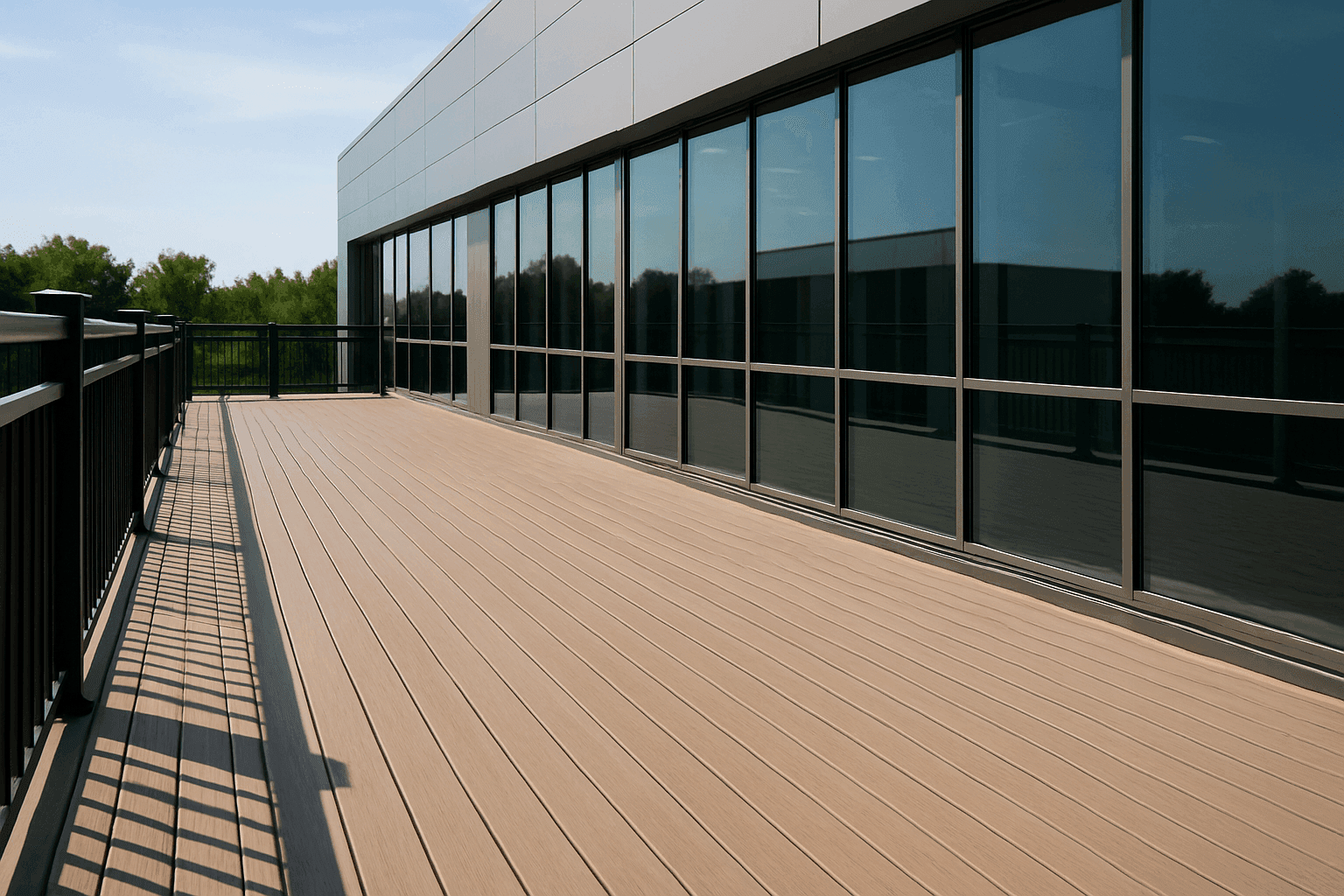
A commercial deck is more than just an outdoor platform. It’s a handshake with your customers, a stage for your guests, a first impression that lasts. For property managers and business owners, the stakes are high: safety, compliance, and long-term return on investment all ride on the decisions you make today.
At Colibri Decks, we’ve seen what happens when a deck is built right—and when it’s not. Whether you’re planning a rooftop terrace or a ground-level patio, you want a deck that stands tall against the elements and liability alike.
Design That Works for Business and Community
Designing a commercial deck starts with people. Who will use the space? How will it flow? Decking isn’t just planks and posts—it’s the welcome mat for your business or community.
Think of your deck as a busy train platform. Wide walkways are essential, with no pinch points or bottlenecks. Railings must be sturdy, especially in high-traffic areas or where children might wander. Every choice, from bench placement to lighting, affects both safety and comfort.
Key design questions:
- Does the layout support easy movement, even at peak times?
- Are entry and exit points well-marked and accessible?
- Can the deck handle groups, furniture, and daily wear?
Business decks must also fit your brand. Warm wood for a restaurant patio, sleek composites for a modern office—your choices matter.
Code Compliance: Safety Is Non-Negotiable 🛑
Commercial decks are governed by strict rules. These aren’t just hoops to jump through; they’re shields against accidents and lawsuits.
Follow these standards for peace of mind:
- International Building Code (IBC): Sets the baseline for deck design and load-bearing in commercial settings.
- Americans with Disabilities Act (ADA): Mandates accessible routes, proper ramp slopes, and railings for public decks.
- Local regulations: City and state codes often add requirements for safety, fire resistance, and material use.
Ignoring code is like playing chess without knowing the rules—sooner or later, you lose. Always check with your local building department before breaking ground.
Material Selection: Built for Longevity
Not all decking materials are created equal. The right choice balances beauty, strength, and staying power—especially in commercial settings where traffic is heavy and expectations are high.
Common options include:
- Pressure-treated lumber: Cost-effective but needs regular sealing and can splinter under heavy use.
- Composite decking: Made from wood fibers and plastics, it resists rot, fading, and insects—great for low-maintenance needs.
- PVC and aluminum: Highly durable, weather-resistant, and ideal for rooftop or poolside installations.
Picture your deck as a bridge over a stream. Weak materials start to sag and crack; strong ones stand firm year after year. Invest in products that meet ASTM and ICC evaluation reports for proven performance.
Maintenance Planning: Protect Your Investment 🛠️
A commercial deck is like a car—it needs regular check-ups to stay roadworthy. Don’t wait for a creaking board or wobbly rail to grab your attention. Build maintenance into your business plan.
Essential maintenance tasks:
- Quarterly inspections: Look for loose fasteners, split boards, and drainage issues.
- Annual deep cleaning: Power wash surfaces to remove dirt, mold, and stains.
- Finish updates: Reseal wood decks and check composite warranties.
- Hardware checks: Tighten bolts, replace corroded metal, and lubricate moving parts.
Keep a logbook. A little prevention now saves big headaches—and expense—later.
Why Professional Consultation Matters
You wouldn’t diagnose a complex engine problem without a mechanic. The same goes for decks. Professional consultation helps you avoid missteps that lead to costly repairs or code violations.
Colibri Decks brings experience with local codes, commercial-grade materials, and project management. We cut through the confusion and reduce your risk. Liability reduction isn’t just about avoiding lawsuits—it’s about protecting your reputation and your bottom line.
Liability and ROI: Decks That Pay You Back
A poorly built deck is a lawsuit waiting to happen. Slips, trips, and collapses can cost far more than the price of building it right.
Investing in quality decking, expert installation, and regular inspections isn’t just smart—it’s a shield. Good decks attract customers, boost curb appeal, and provide usable space that pays for itself over time.
Long-term ROI tips:
- Choose materials with long warranties.
- Document every inspection and repair.
- Budget for maintenance near you to keep standards high.
Quick Safety Checklist
Before you open your deck to the public, run through this list:
- Are all railings firmly attached and at required height?
- Is there a clear, accessible path for wheelchairs and strollers?
- Are fasteners and supports rust-free and intact?
- Are surfaces slip-resistant and free of debris?
- Are all lighting and safety signs functional?
A checklist is your seatbelt—simple, but essential.
DIY or Call a Pro?
Some business owners like to roll up their sleeves. For small repairs—tightening a screw, replacing a single board—that’s fine. But for anything affecting structure, stability, or compliance, calling a professional is the safest route.
DIY fixes can mask bigger problems. Like patching a tire without checking for a nail in the road, you might miss what’s underneath.
What Pros Do on Arrival
When a Colibri Decks specialist arrives, they:
- Review your current deck for code compliance and safety hazards.
- Assess wear and tear with an experienced eye.
- Recommend repairs or upgrades based on use, climate, and regulations.
- Provide a clear, actionable plan—no guesswork.
Our teams rely on standards from the International Code Council and OSHA for every inspection.
Prevention & Maintenance
Prevention is about building habits, not just fences. Schedule regular maintenance. Train staff to spot early warning signs—soft spots, wobbles, loose rails.
Consider seasonal impacts: ice, rain, sun, and foot traffic all take their toll. Protective finishes and slip-resistant surfaces keep things safer, longer.
Pro tip: Use furniture pads to prevent scratching, and sweep up debris before it becomes a slipping hazard.
Costs & Time Factors
Building or renovating a commercial deck is an investment. Costs vary by size, material, location, and code requirements.
Budget influences:
- Material selection (wood vs. composite vs. metal)
- Site prep and accessibility
- Labor and inspection fees
- Ongoing maintenance near you
Time-wise, a new build can take several weeks, factoring in permitting, weather, and material delivery. Repairs or upgrades are often faster but still require planning.
When It’s an Emergency
If your deck is sagging, a railing detaches, or you spot major cracks—close the area immediately. Fast action keeps people safe and reduces liability. Call a professional for emergency inspection and repairs.
Never ignore signs of structural failure. Just like you wouldn’t ignore a fire alarm, don’t gamble with decking safety.
FAQ
How often should a commercial deck be inspected?
At minimum, schedule quarterly checks, with a full inspection annually. Heavy-use decks may need more frequent reviews.
What is the best decking material for high-traffic areas?
Composite and aluminum decking offer excellent durability and low maintenance, making them a smart choice for busy spaces.
Do commercial decks always need to meet ADA requirements?
If your deck is open to the public, ADA requirements for accessibility will almost always apply. Consult local codes to be sure.
Can I repair my own commercial deck?
Minor fixes are manageable, but for structural issues, code compliance, or inspections, always consult a professional.
Local and Seasonal Considerations 🌦️
Climate matters. In snowy regions, extra structural support is vital. In humid or coastal areas, choose materials that resist mold, rot, and corrosion. For cities with strict fire codes, non-combustible decking may be mandatory.
Always check with your local building authority. Requirements can change year by year—and what’s safe in one state may be risky in another.
Building a commercial deck is a big step, but you don’t have to go it alone. For safe, durable, and code-compliant results, partner with a team that understands every layer—from the footings to the finish.
Call Colibri Decks now — or reach us anytime at 844-491-8465 .