Deck Inspections: Why Annual Checks Prevent Big Problems
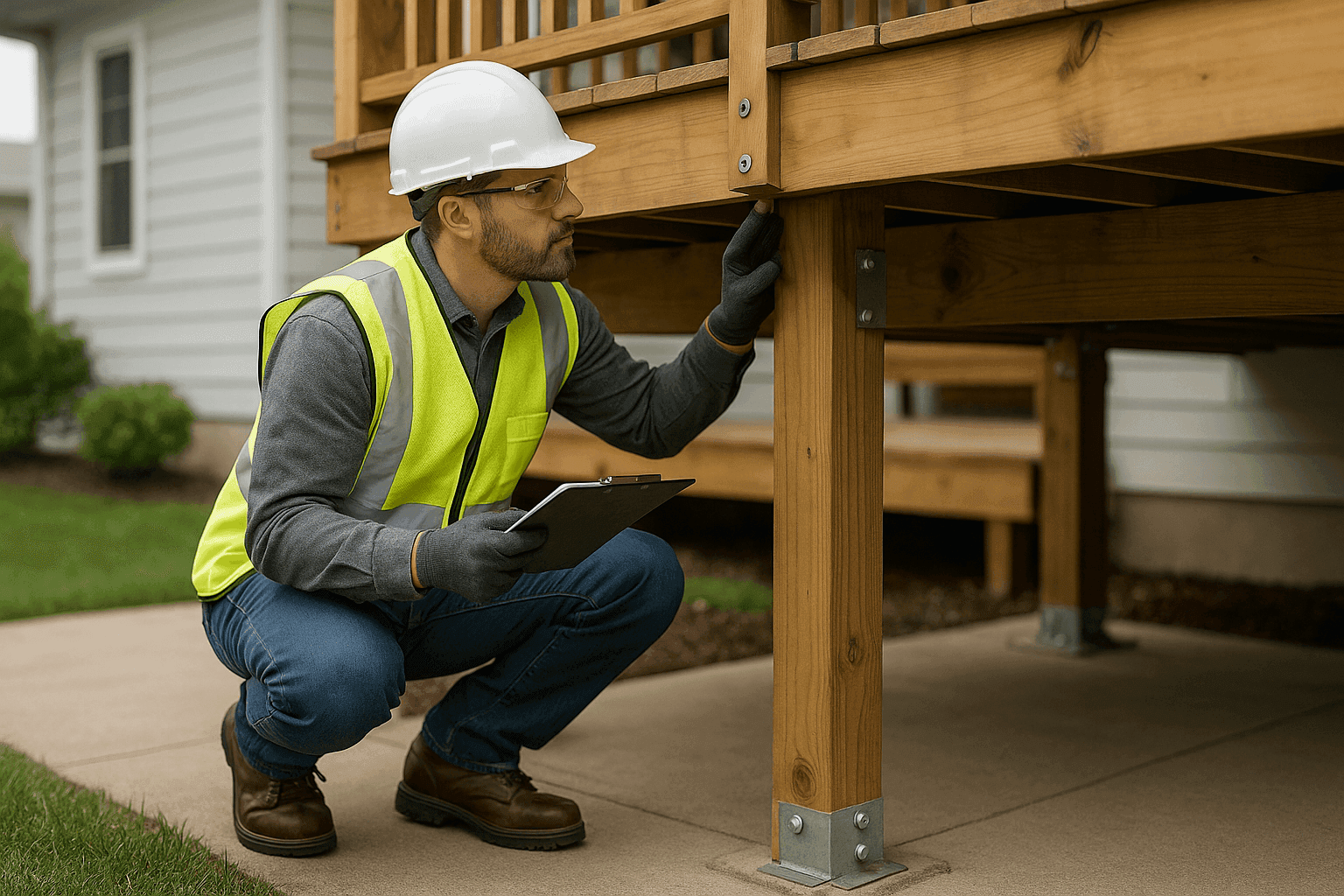
Every deck tells a story. It’s the spot for weekend barbecues, morning coffee, or an outdoor meeting with a view. But decks don’t last forever. Problems can hide beneath the surface, quietly growing into expensive damage or, worse, dangerous situations.
Annual deck inspections are more than a box to check. They’re the difference between simple upkeep and major repairs. For both homes and businesses, regular checks protect your people and your investment.
Why Skipping Annual Deck Inspections Can Cost You
Imagine a small splinter in a shoe. Annoying, but easy to ignore—until it festers. Deck issues work the same way. Rot, loose railings, failing supports—all start small. Miss them, and the stakes rise. Not only can repair bills balloon, but safety is at risk.
According to the North American Deck and Railing Association (NADRA), thousands of decks collapse every year in the U.S., often due to overlooked issues. Regular inspections catch warning signs before they turn critical.
Quick Deck Safety Checklist 🛠️
Here’s a fast list you can walk through, whether you own a home or manage a business property:
- Railings: Wiggle them. Are they solid?
- Boards: Look for cracks, splinters, or soft spots.
- Stairs: Are steps secure and free of rot?
- Hardware: Check for rust or missing fasteners.
- Ledger Board: Inspect where the deck attaches to the building.
- Posts & Footers: Any signs of shifting, sinking, or moisture?
If you spot concerns, don’t wait. Some issues hide deeper than what you can see.
DIY vs. Calling a Professional
Homeowners sometimes try to handle inspections alone. It’s a bit like checking your own teeth in the mirror—you’ll spot the obvious, but might miss what’s lurking beneath the surface.
Professional inspectors know where to look and what to probe. They bring ladders, moisture meters, and years of experience. For commercial decks, local codes and insurance requirements often demand documented checks from a qualified pro.
What Professionals Look for During Deck Inspections
A trained eye can see trouble before it becomes obvious. Here’s what happens during a professional inspection:
- Structural Soundness: Inspectors check joists, beams, and support posts for rot, cracks, or warping.
- Hardware Health: They scrutinize bolts, screws, brackets, and connectors for corrosion, looseness, or missing parts.
- Surface & Finish: Peeling paint, splintered boards, mildew, or water stains are red flags.
- Attachment Points: Special attention goes to where the deck meets the building (the ledger board). This area is a common failure point.
- Drainage & Grading: Poor water runoff can speed up wood decay. Inspectors check for standing water or bad slopes.
- Guardrails & Stairs: Height, spacing, and strength are measured against International Residential Code (IRC) or local regulations.
Every inspection should end with a written assessment. This document becomes your safety net for liability, resale, or future repairs.
How Inspections Prevent Costly Repairs
Think of an annual checkup like changing the oil in your car. It’s a small step that prevents big headaches. Here’s why annual deck inspections save money:
- Catch rot early: Replace a single board, not a whole deck.
- Spot loose hardware: Tighten or swap out small parts before supports fail.
- Avoid water damage: Fix drainage or sealant issues before they cause expensive rot.
- Maintain compliance: Proactive fixes prevent fines or insurance issues.
A $100 repair today can stop a $10,000 rebuild next year.
Prevention & Maintenance Tips
Regular inspections are only half the story. Combine them with smart care:
- Keep it clean: Sweep leaves and debris to prevent mold.
- Seal and stain: Protect wood from moisture and sun every few years.
- Trim plants: Vegetation can trap moisture and speed decay.
- Clear snow and ice: Heavy weight stresses railings and boards.
- Check after storms: Wind and rain reveal weak spots.
The National Association of Home Builders recommends annual professional inspections for decks over ten years old, or in harsh climates.
Costs & Time Factors
Most deck inspections take 30 to 60 minutes for an average residential property. Commercial decks or larger structures may take longer.
Pricing varies by region and size, but the investment is minor compared to potential repair bills or safety liabilities.
Remember: The cost of prevention is always less than the price of fixing a major failure.
When It’s an Emergency 🚨
Some signs mean you shouldn’t wait:
- Sudden sagging or movement
- Loud creaks or pops when walking
- Water pooling near posts or footers
- Obvious rot, mold, or insect infestation
- Loose or missing railings
If you spot any of these, get help right away. Safety comes first.
Frequently Asked Questions
How often should I inspect my deck?
Annual professional inspections are recommended, especially for decks over 10 years old or exposed to harsh weather.
Can I skip inspections if my deck is new?
Even new decks benefit from yearly checks. Weather, settling, and usage can reveal problems early.
What documentation should I keep?
Always save your inspector’s written report. It’s valuable for insurance, resale, and ongoing Maintenance near you.
Are commercial deck inspections different?
Commercial properties must meet stricter codes and often require documented inspections for liability and insurance compliance.
Local & Seasonal Considerations 🌦️
Climate matters. In wet or snowy regions, water damage is a bigger threat. Sunbelt states face UV and heat stress. High-traffic commercial decks wear out faster.
Schedule inspections after heavy storms, big freezes, or before peak summer use. Local building codes may also set minimum inspection intervals or specific requirements—always ask your inspector about regional rules.
Don’t Wait Until It’s Too Late
Your deck is an extension of your home or business. A safe, well-maintained deck means peace of mind, fewer headaches, and a welcoming space for everyone.
Call Colibri Decks now — or reach us anytime at 844-491-8465 .