Decking Material Comparison: Wood vs. Composite vs. Alternatives
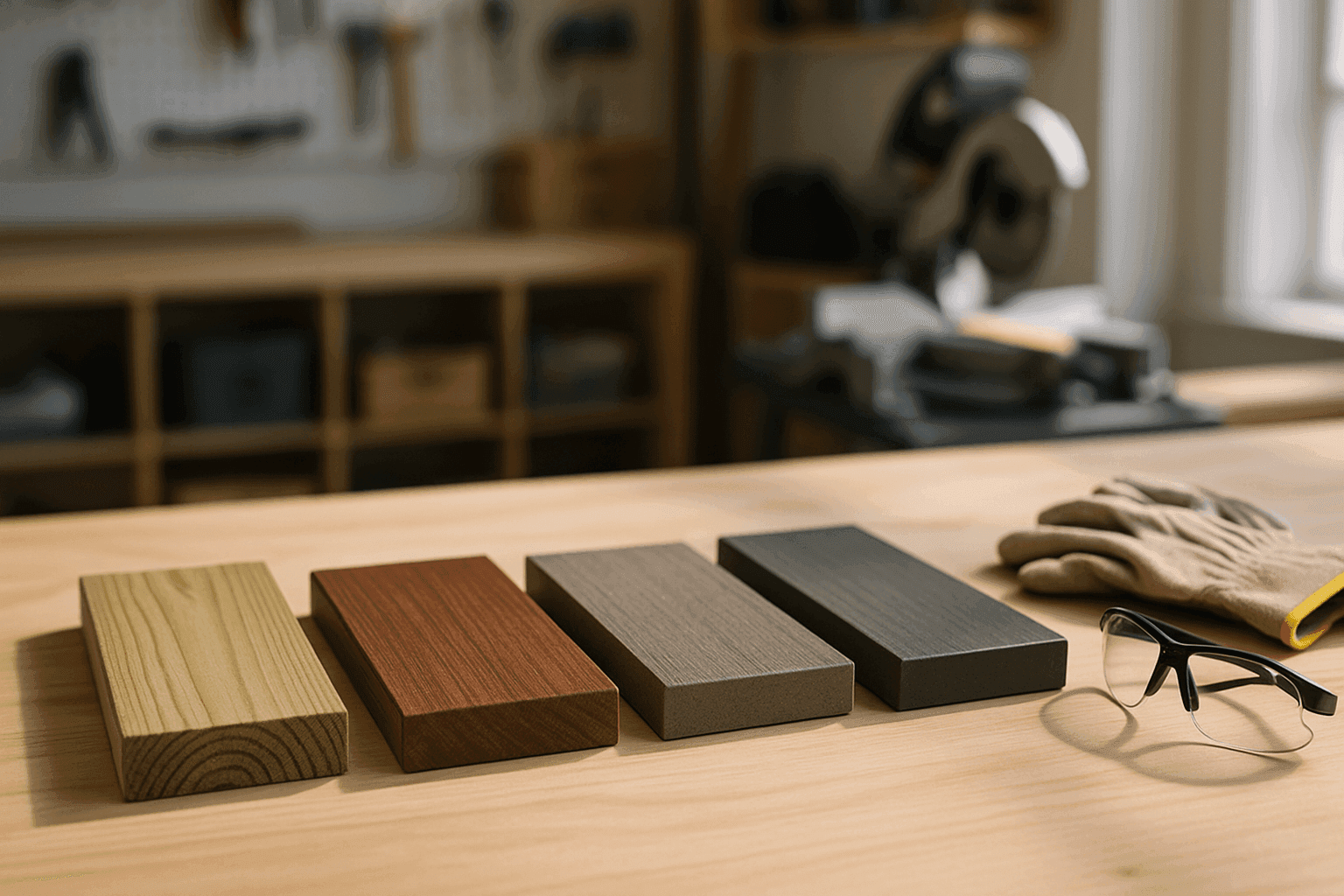
Looking out at your backyard or rooftop, dreaming of a deck that stands strong through seasons? Or maybe you’re planning a commercial space that needs to balance style and low upkeep. The sea of decking options can feel overwhelming—like picking a path through a maze without a map.
At Colibri Decks, we guide people through these material choices every day. Our team works with homeowners, property managers, and business owners to deliver decks built to last—no shortcuts, no guesswork. Let’s break down the real differences between pressure-treated wood, hardwoods, composites, and emerging alternatives, so you can invest with confidence.
The Real-World Decking Dilemma
Building a deck is an investment. But the “right” material isn’t one-size-fits-all. Each option brings unique strengths—and tradeoffs. Weather, foot traffic, maintenance near you, and even your local climate all play a part. Imagine each material as a different kind of teammate: some are reliable and sturdy; others need more coaching, but shine in the right conditions.
Let’s compare your options across five key factors:
- Durability: How does it age? Does it resist rot, insects, and warping?
- Maintenance: How much work does it take to keep it looking good?
- Cost: Upfront price and long-term spend.
- Aesthetics: The "wow" factor—color, grain, and texture.
- Environmental Impact: Where does it come from, and where does it go?
Pressure-Treated Wood: The Classic Starter 🪵
Pros
- Widely available, often the most affordable up front.
- Easy to cut, fasten, and repair—DIY-friendly.
- Treated to resist decay and insects.
Cons
- Needs staining or sealing every 1–2 years.
- Prone to splinters, cracks, and fading in harsh sun or wet climates.
- Chemicals used in treatment may concern some homeowners (check for products certified by the American Wood Protection Association).
Ideal Use-Cases
- Budget-conscious residential decks.
- Raised platforms and stairs.
- Projects where you plan to refinish or upgrade later.
Longevity
With regular care, expect 10–15 years of good service. Neglect, and it weathers fast.
Tip: Always use corrosion-resistant fasteners (like stainless steel) to prevent staining and hardware failure, especially in coastal or rainy areas.
Hardwoods: Beauty with Backbone 🌳
Pros
- Rich, natural look—ipe, mahogany, and tigerwood are especially eye-catching.
- High density resists rot, fire, and insects.
- Can last 25+ years with care.
Cons
- High material and installation cost.
- Heavy—requires sturdy framing.
- Regular oiling or staining needed to avoid graying.
Ideal Use-Cases
- Upscale residential decks and high-traffic commercial patios.
- Projects where longevity and luxury matter.
Longevity
Properly maintained, hardwood decks can outlast many homes. But they demand commitment—think of them as the classic car of the decking world.
Tip: Always check for Forest Stewardship Council (FSC) certification to support sustainable harvesting.
Composite Decking: The Low-Maintenance Evolution
Pros
- Made from recycled plastics and wood fibers—resists splinters, rot, and bugs.
- Colorfast; many brands offer fade and stain resistance.
- Scrub with soap and water—no sanding or sealing.
Cons
- Higher upfront cost than pressure-treated wood.
- Can get hot in direct sun (choose lighter shades to reduce heat).
- Some lower-quality brands may show surface scratches.
Ideal Use-Cases
- Family decks and commercial spaces where low upkeep is key.
- Areas with harsh weather or heavy use.
Longevity
20–30 years is typical, with minimal fading or warping. Manufacturers often reference ASTM D7032 or ICC-ES AC174 for safety and performance standards.
Tip: For slip-resistance—especially in wet climates—look for boards with textured finishes.
Advanced Alternatives: PVC, Aluminum, and More
PVC Decking
- 100% synthetic; resists water, mold, and termites.
- Lightweight and cool underfoot.
- Can appear less natural than wood—check samples first.
Aluminum Decking
- Fireproof and ultra-durable.
- Often used in commercial rooftop decks or fire-prone regions.
- Can be noisy; higher cost.
Ideal Use-Cases
- Pool surrounds, docks, and rooftop decks.
- Locations with extreme moisture, fire risk, or code requirements (such as WUI fire zones or flood-prone regions).
Tip: Always review local building codes (such as the International Residential Code, IRC) for fire and slip-resistance requirements.
Quick Safety Checklist Before You Choose
- [ ] Confirm your deck’s load requirements (especially for commercial or multi-story use).
- [ ] Check for code compliance—fire, slip, and hardware standards.
- [ ] Ask about warranty and long-term performance data.
- [ ] Inspect samples in sunlight and shade.
- [ ] Verify sources—especially for exotic hardwoods.
DIY vs. Call a Pro
Building a deck isn’t just about picking a pretty board. It’s about structure, drainage, and safety. Here’s when to roll up your sleeves—or when to let Colibri Decks handle it:
DIY Might Be Right If:
- You have experience with carpentry and power tools.
- The project is small—say, a ground-level platform or repair.
- You have time for permits, code review, and inspections.
Call a Pro (Like Colibri Decks) If:
- Your deck is elevated, complex, or commercial.
- You need help with permits or structural design.
- You want a warranty, or long-term maintenance near you.
What Pros Do On Arrival
When Colibri Decks arrives, we:
- Inspect the site for drainage, soil, and sunlight.
- Review zoning and code requirements.
- Discuss your lifestyle, budget, and style goals.
- Bring samples of wood, composite, and alternatives so you can see and feel the difference.
- Create a plan that balances aesthetics, safety, and durability.
Prevention & Maintenance: Keep Your Deck Looking Great
No matter your choice, every deck needs a little TLC. Here’s how to get the most from your investment:
- Sweep regularly to keep debris (and mold) at bay.
- Wash annually with a mild detergent; use a soft brush on composites.
- Inspect for loose boards or fasteners every spring and fall.
- Reseal or stain wood as recommended by the manufacturer or installer.
- Clear snow and ice gently—avoid metal shovels.
Tip: Schedule a professional inspection every few years, especially for commercial decks. Safety codes change, and hidden damage can grow.
Costs & Time Factors
Every deck is unique, but here’s how materials stack up:
- Pressure-Treated Wood: Lowest initial cost, higher upkeep over time.
- Hardwoods: Highest upfront, but spread out over decades.
- Composite: Middle to high upfront, lower long-term spend.
- PVC/Aluminum: High upfront, very low maintenance, especially for specialty use.
Labor can account for 50–60% of total project cost. Complex shapes, multi-level designs, or tight spaces may add time.
Tip: Factor in the cost of maintenance near you—not just materials.
When It’s an Emergency
If your deck feels soft underfoot, you spot mold, loose railings, or hear creaking—don’t wait. These can signal underlying structural issues. For commercial spaces, code compliance is non-negotiable. Immediate inspection and repair keep everyone safe.
FAQ: Straight Answers for Real Concerns
How long does each material last?
- Pressure-treated wood: 10–15 years with care.
- Hardwoods: Often 25–40 years.
- Composites: 20–30 years, sometimes more.
- PVC/aluminum: Up to 50 years.
Which is best for a family with kids and pets?
Composites are splinter-free and easy to clean—great for high-traffic, playful spaces. PVC is also a strong choice for low maintenance.
Can I mix materials?
Absolutely. Many homeowners use composite for the deck surface and wood or aluminum for railings and accents. Just check compatibility with fasteners and maintenance routines.
Are any options truly “green”?
Look for products certified by third-party groups like FSC or made from recycled content. Composites often use reclaimed materials, reducing landfill waste.
Local & Seasonal Considerations
- Humid or rainy climates: Composites and PVC resist mold and swelling better than wood.
- Mountain or snowy regions: Aluminum and composite decks shed snow easily; avoid slick finishes.
- Fire-prone areas: Aluminum and certain fire-rated composites meet strict local codes (consult your local authority or the National Fire Protection Association).
Tip: Always consult your local building authority for seasonal restrictions, permit requirements, and approved materials.
Ready to talk through your options—or need a second opinion on a plan? Call Colibri Decks now — or reach us anytime at 844-491-8465 .